

When renovating in Illinois, selecting the right flooring is essential. With choices like vinyl and laminate flooring, it’s important to determine which best fits your needs. This blog highlights their differences, benefits, and key considerations to guide your decision.
Before diving into specifics, consider how each flooring type suits your lifestyle. Are you a busy household with kids and pets, or a couple seeking a stylish yet low-maintenance home? Each option offers distinct advantages for different situations.
Vinyl flooring is known for its versatility, offering a range of styles to suit any room. Beyond practicality, it allows you to express your style and create a welcoming space. With designs mimicking hardwood or marble, vinyl provides an affordable way to achieve a high-end look.
Laminate flooring, on the other hand, appeals to those who value the sophistication of natural materials. Its detailed designs can elevate your home’s aesthetic, offering the appearance of wood or stone at a more affordable cost. Additionally, its straightforward installation process makes it a favorite among DIY enthusiasts.
When considering your options, maintenance is a key factor. Vinyl flooring stands out for its ease of care, allowing you to enjoy its beauty without worrying about spills or stains. Laminate, though durable, requires more attention to moisture, making quick action essential in case of accidents.
Ultimately, your choice depends on your specific needs. Both vinyl and laminate flooring offer excellent benefits, but evaluating your requirements will help you select the best option for your Illinois home renovation. With some research and thoughtful planning, you can confidently choose the flooring that aligns with your vision and lifestyle. Take your time, explore, and make an informed decision.
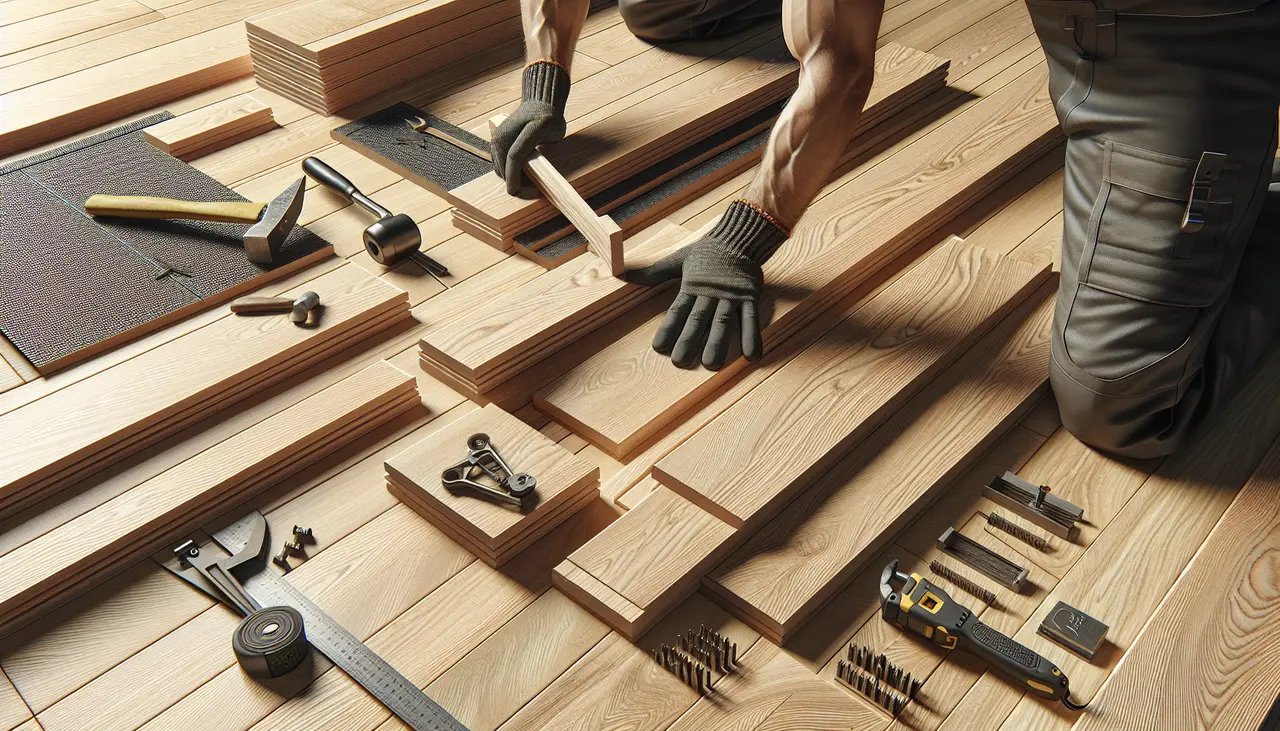
Understanding Vinyl Flooring
Vinyl flooring is a highly versatile and durable choice, known for its adaptability across various settings. Its water-resistant qualities make it an excellent option for moisture-prone areas like kitchens and bathrooms. Available in forms such as luxury vinyl tiles (LVT) and vinyl planks, it offers a wide range of designs, allowing homeowners to replicate the look of wood, stone, or ceramic with sophistication.
Ease of maintenance is another key benefit of vinyl flooring. Most options resist spills and stains effectively, maintaining their appearance over time, which is especially advantageous for families or pet owners. Vinyl also provides superior comfort underfoot, feeling softer and warmer compared to other flooring materials. Additionally, many vinyl floors feature slip-resistant surfaces, enhancing safety for households with children or elderly members.
Exploring Laminate Flooring
Laminate flooring is often lauded for its ability to replicate the aesthetic of natural materials. Employing high-definition printing processes, laminate can capture the detailed look of hardwood or stone, giving a luxurious feel without the hefty price tag. It’s particularly noted for its ease of installation, as many products are designed with a click-lock system, allowing even DIY enthusiasts to tackle small projects with confidence.
Despite its many qualities, laminate flooring does have its limitations, particularly regarding moisture resistance. The core of laminate is typically made from high-density fiberboard, which, while resilient, can swell or degrade if water infiltration occurs. As such, laminate is best suited for dry areas, like living rooms or bedrooms, where it can show off its scratch-resistant and durable surfaces without the threat of water damage. Another factor to consider is noise, as laminate can sometimes create a hollow sound underfoot, though this can be mitigated with quality underlayment.
Cost Considerations: Budgeting for Your Project
When looking to renovate your flooring on a budget, both vinyl and laminate present cost-effective solutions. Vinyl flooring, particularly the standard sheets and planks, is often the more affordable option upfront, with a vast range of prices depending on the style and quality. On the other hand, laminate might come slightly more expensive, especially for designs that aim to closely mimic hardwood aesthetics. However, the decision shouldn’t be driven by cost alone.
It’s crucial to factor in the long-term costs associated with maintenance and durability. For instance, while laminate may initially be pricier, its scratch-resistant surface can negate replacement costs over time if used in high-traffic areas. Conversely, the moisture resistance of vinyl means fewer concerns about water damage, reducing repair expenses down the line. Balancing immediate expenditures with potential future savings can guide your choice effectively.
Durability and Maintenance: What to Expect
Durability is often top of mind when choosing flooring, especially in busy households. Vinyl flooring is renowned for its robust nature, capable of handling everyday wear and tear with minimal fuss. It boasts superior resistance to spills, scratches, and dents, an ideal trait for kitchens and entryways where durability is a priority. Routine cleaning is simple, often requiring just a sweep or a mop to maintain its appearance.
Laminate flooring, while also durable, offers different strengths. It’s hard surface and protective wear layer give it high scratch resistance, making it a strong contender for areas frequented by pets or high foot traffic. However, laminate’s achilles’ heel is its sensitivity to water. Spills should be wiped up promptly to avoid warping, a consideration that potential buyers in humidity-prone Illinois might find significant. Regular maintenance usually involves sweeping and using a slightly damp mop with a suitable cleaner.
Identifying Your Style Preferences
Choosing flooring is not just about practicality; it’s also a key aspect of interior design. Vinyl floors can provide a seamless look with bold color choices or patterns, making them a flexible option for dynamic spaces. The ability to mimic other materials like hardwood or ceramic allows you to achieve a premium look at a fraction of the cost. Several textures, from smooth to embossed designs, enable so many customization options.
Laminate, on the other hand, is well-suited for those looking to add warmth and a natural appearance to their floors. Its advanced imaging technology means wood grains and stone patterns appear incredibly realistic. Although primarily designed to replicate wood, some laminate options offer unconventional looks, including distressed or exotic appearances. While the visual appeal is subjective, ensuring your choice aligns with your overall décor and furniture can enhance the harmony and flow of your living spaces.
Making the Right Choice for Your Home
Both vinyl and laminate flooring have their advantages and drawbacks. Your choice between the two should depend on your specific needs, budget, and style preferences. Armed with the information from this blog, you can confidently select the flooring that will not only enhance the beauty of your home but also serve your family’s lifestyle for years to come. For more guidance, visit our homepage to discover how we can assist with your flooring choices.

